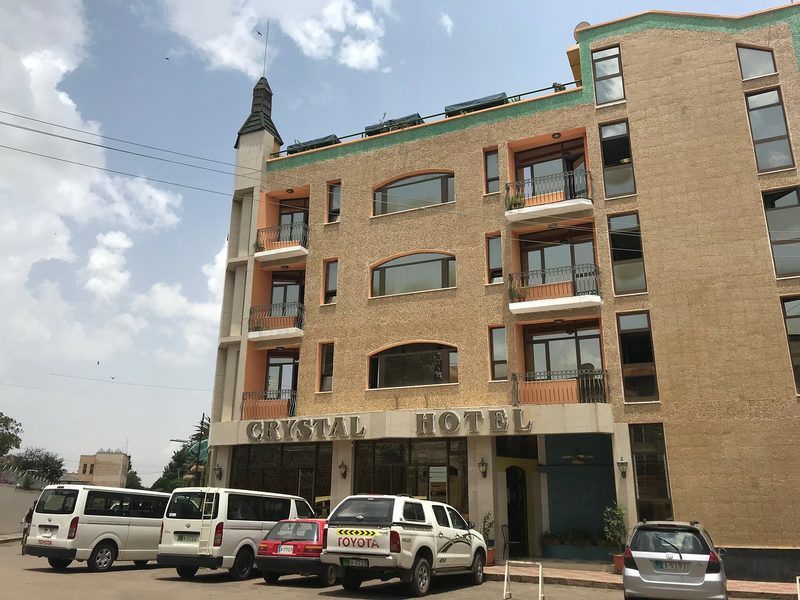

Things to Do in Asmara in May
May weather, activities, events & insider tips
Low Season · Budget Friendly
May Weather in Asmara
Temperature, rainfall and humidity at a glance
77°F (25°C)
High Temp
50°F (10°C)
Low Temp
1.6 inches (41 mm)
Rainfall
70%
Humidity
⚠ Asmara sits at 2,325 m (7,628 ft). Up here UV is brutal even when the air feels mild. The index hits 8. Skin burns in under twenty minutes at noon, clouds or not. Smear high-SPF on ears, neck, and the backs of hands. Most travelers forget those spots. Reapply.
⚠ Azmera rains hit fast. Wind rips across the escarpment. If you are on the road between Asmara and Massawa, visibility vanishes and asphalt turns to glass. Drive the escarpment only in dry morning hours. Keep rain gear in the vehicle. Storms pass quickly. Plan for them.
Is May Right for You?
Weigh the advantages and considerations before booking
Advantages
- + May 24 Independence Day turns Asmara into one roaring city-wide party. Parades pound down Harnet Avenue, live music spills from every neighbourhood, and the collective energy is impossible to sample any other month. The entire Eritrean diaspora flies home for this. The stretch from the Catholic Cathedral to Cinema Roma crackles with an electricity no staged tourist event could fake.
- + Plateau daytime temperatures sit at 25°C (77°F) and slide to 10°C (50°F) after dark, so walking Asmara's Art Deco streetscapes feels effortless. Contrast that with the 40°C (104°F) furnace down in sea-level Massawa, or the muddy slog of July and August when the kremti monsoon hammers 175 mm (6.9 inches) onto the city in four weeks. May hits the sweet spot.
- + The azmera rains are just beginning. The plateau around Asmara greens overnight. Eucalyptus groves on the city's fringe release sharp medicinal scent after an afternoon shower, bougainvillea tumbles over compound walls in deep magenta, and late-afternoon light burnishes the ochre and pistachio facades of the Italian-era buildings. Photographers will discover May's soft post-rain glow easily outclasses the flat haze of the dry months.
- + May sits squarely in shoulder season. Apart from the Independence Day weekend, international visitor numbers stay low, so the cafes along Harnet Avenue still have open tables at espresso hour. The Medeber recycled-goods market runs at local pace without tour groups, and accommodation is simpler to arrange than during the December-January diaspora homecoming increase.
Considerations
- − The azmera rains deliver scattered afternoon showers roughly ten days out of the month. They are brief, usually thirty to forty-five minutes of hard downpour between 2 PM and 5 PM, yet they can drench you on the escarpment road to Massawa or halfway through a walking tour of the Rationalist quarter around Godaif. Mornings stay almost always clear, so front-load outdoor plans.
- − Eritrea's visa and travel logistics remain stubbornly difficult. You need a visa arranged through an Eritrean embassy well in advance, internal travel permits for anywhere outside Asmara, and internet connectivity is limited and slow throughout the country. There are no ATMs that accept foreign cards. You need cash, and exchanging it demands patience. May does not alter these structural realities.
- − The 15°C (27°F) temperature swing between midday and pre-dawn blindsides first-timers. At 2,325 m (7,628 ft) elevation, Asmara's nights are cold. Travelers who pack for equatorial Africa and arrive with only shorts and sandals will be shivering by 9 PM on Harnet Avenue, where the post-dinner passeggiata is half the point of being here.
Best Activities in May
Top things to do during your visit
Modernist Architecture Walking Tours of the UNESCO District
Asmara's entire city centre became a UNESCO World Heritage Site in 2017, and May's mild mornings with their clean post-rain light make it the perfect month to walk the Rationalist, Futurist, and Art Deco buildings that earned the city its nickname La Piccola Roma. Start early, around 7 AM, when the low sun skims across the cantilevered wings of the Fiat Tagliero Building, a 1938 aircraft-shaped petrol station that still looks ready to lift off its corner lot. The Cinema Impero on Harnet Avenue, the Romanesque Cathedral, the cubist geometries of the government buildings along the boulevard, the streamlined curves of Bar Zilli, these are not museum pieces behind ropes. They are lived-in structures where people sip macchiato and argue about football beneath original terrazzo ceilings. The cool 20-23°C (68-73°F) morning temperatures let you cover three or four kilometres (about two and a half miles) on foot before the midday sun pushes you indoors. By afternoon, if the rains arrive, duck into one of the cinema houses that still screen films in their original 1930s auditoriums.
Booking Tip: Licensed local guides can be arranged through tourism offices at the airport or near Harnet Avenue. Book at least two weeks ahead in May, around the Independence Day week when local guides are in high demand. See current guided architecture tour options in the booking section below.
Massawa Coastal Day Excursion via the Escarpment Road
The drive from Asmara down to the Red Sea port city of Massawa drops 2,325 m (7,628 ft) in about 115 km (71 miles), and the road itself is the attraction. You descend through climate zones like flipping pages: from the cool eucalyptus plateau through dry scrubland where baboons watch from roadside boulders, past the ruins of the old Italian-built railway clinging to the cliff face, and finally into the thick coastal heat where the air smells of salt and dried fish. Massawa in May is hot, easily 38°C (100°F) by midday, so arrive early, walk the Ottoman-era coral-block architecture of the old town island before the heat peaks, and head back up the escarpment by early afternoon. The return drive as the sun drops behind you turns the switchbacks gold. May's occasional afternoon clouds temper the coastal heat compared to the relentless dry-season sun of January through March.
Booking Tip: Arrange transport through licensed tour operators or negotiate with experienced drivers who know the escarpment road. This is not a route for self-driving newcomers. Book at least a week ahead and confirm departure time for early morning. Check the booking section below for current excursion packages.
Asmara Cafe Culture and Italian-Eritrean Coffee Circuit
Asmara's coffee is arguably the best in Africa, and that is not hyperbole. Eritrea sits in the Ethiopian Highlands coffee belt, and the Italian colonial period grafted a macchiato-and-espresso culture onto an already deep coffee tradition. The result is a city where a tiny ceramic cup of espresso, pulled on a fifty-year-old machine, tastes better than anything you have had in Milan. May mornings are good for this: cool enough that the hot cup feels right, clear-skied enough to sit outside. The ritual matters as much as the drink. Start at one of the historic cafes along Harnet Avenue, where elderly men in sport coats read newspapers at marble-topped tables beneath ceiling fans that creak in Tigrinya time. Then walk south toward the residential quarters where neighbourhood bars serve bun, the local coffee ceremony with frankincense smoke, roasted kernels, and popcorn. The smell of roasting beans mixed with itan incense drifting from an open doorway is the scent memory you will take home from Asmara.
Booking Tip: No advance booking needed for individual cafe visits. But guided food and coffee walking tours should be arranged a few days ahead through local cultural guides. Morning slots between 8 and 11 AM are best. Browse current food and culture tour options in the booking section below.
Plateau Cycling on the Asmara Ring Road and Rural Outskirts
Eritrea is one of Africa's great cycling nations, and Asmara's flat-to-rolling plateau terrain at 2,325 m (7,628 ft) offers road cycling in conditions that competitive cyclists train in deliberately: thin air, smooth tarmac, and almost no motorized traffic once you leave the city centre. May's temperatures, peaking around 25°C (77°F) with low winds in the morning, are ideal. The altitude means your heart rate will run higher than expected, so pace yourself if you are not acclimatized. Ride out past the Expo grounds toward the village of Tselot or south along the Decamhare road where the plateau stretches flat and the only sounds are wind through dry grass and the occasional bell from a goat herd. You will share the road with local cyclists on battered steel frames who ride with a fluid efficiency that makes imported carbon look absurd. Rent a bicycle locally or bring your own. The cycling community here is welcoming and will point you to the best routes.
Booking Tip: Cycling tours and bicycle rentals can be arranged locally. Inquire at tourism offices or through accommodation hosts. Book guided rides at least a week in advance, around Independence Day when local cycling events occupy roads. See cycling tour options in the booking section below.
Medeber Market and Artisan Quarter Exploration
Medeber is not a market in the souvenir sense. It is an industrial neighbourhood where Asmara's artisans turn scrap metal, old tyres, and discarded tin into functional objects: coffee pots hammered from flattened oil drums, sandals cut from truck tyres, charcoal stoves bent from sheet metal. The sound is constant, a clanging percussion of hammers on tin that you hear two blocks before you see anything. The air smells of hot metal, coal smoke, and machine oil. In May, the morning cool makes the forges bearable. By afternoon, the combination of furnace heat and equatorial sun is oppressive even at altitude. This is where you understand Asmara beyond the Art Deco postcards. Nothing is wasted. Everything is remade. The craftsmanship is rough but ingenious, and the workers are generally happy to demonstrate their process if you approach with respect and without a camera already raised.
Booking Tip: No booking required, but a local guide who speaks Tigrinya transforms the experience from spectating to actual conversation with artisans. Arrange through accommodation or local tourism contacts a day or two ahead. Morning visits before 11 AM are strongly recommended. Check the booking widget below for guided cultural tours.
Independence Day Celebrations and Harnet Avenue Festival Circuit
If your May visit overlaps with the 24th, you are in Asmara for the single most important day on the Eritrean calendar. Independence Day marks the end of the thirty-year liberation war, and the celebration is not performative. It is felt. Military parades and cultural processions move down Harnet Avenue from early morning, with regional dance troupes performing traditional moves from all nine ethnic groups: the shoulder-shaking guayla of the Tigrinya, the rhythmic chanting of the Tigre, the jumping dances of the Kunama. By evening, the boulevard becomes a street party. The sound of krar (lyre) and kebero (drum) spills from every doorway, and the smell of roasting meat from pop-up grills mixes with the eucalyptus-scented night air. The week surrounding the 24th is the one time Asmara feels crowded. But it is the kind of crowd that includes you rather than excludes you.
Booking Tip: No tickets needed for public celebrations. But accommodation fills up two to three weeks before the 24th as diaspora Eritreans return. Book your stay at least a month ahead if your visit includes Independence Day week. Arrive in the city by May 22 to catch the build-up atmosphere.
Where to Stay in Asmara in May
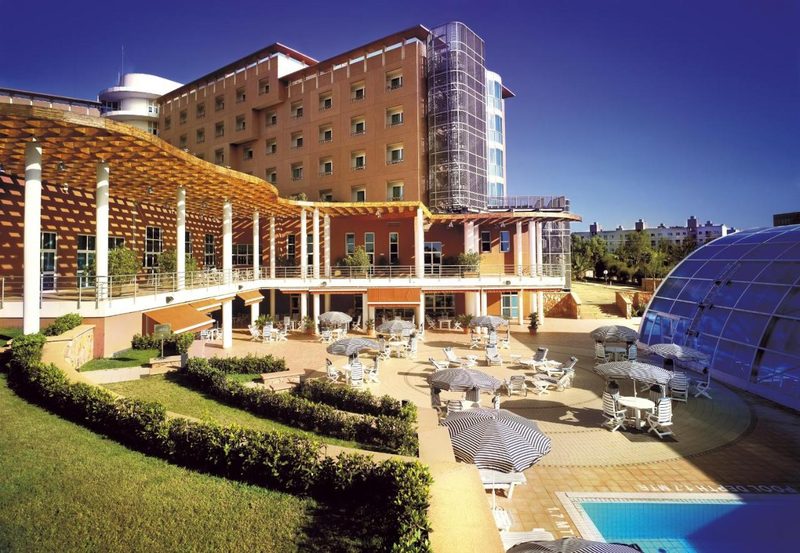
Hand-picked hotels across price tiers for May travellers.
May Events & Festivals
What's happening during your visit
May 24 (celebrations extend roughly May 22-26)
Eritrean Independence Day
May 24 marks Eritrea's independence, formally declared in 1993 after a thirty-year armed struggle. In Asmara, the day begins with military and civilian parades along Harnet Avenue, followed by cultural performances representing all nine ethnic groups. The entire city participates. Schools, government offices, and most businesses close. Diaspora Eritreans fly home by the thousands, and the atmosphere on the boulevard by evening feels closer to a family reunion than a state holiday. Expect live music, traditional dance, communal feasting, and a warmth toward visitors that is genuine rather than performed. The celebrations extend informally for several days before and after the 24th, with neighbourhood gatherings, concerts, and public screenings of historical footage.
Packing Checklist
Bookmark this page — your progress is saved between visits
Need the full list with shopping links?
Climate-specific gear, brand recommendations, and what to leave at home.
View Asmara Packing List →Essential Tips
Insider knowledge and common pitfalls to avoid
Insider Knowledge
The passeggiata is not optional if you want to understand Asmara. Every evening around 6 PM, the city walks. Families, couples, teenagers, elderly men in pressed shirts, all flowing up and down Harnet Avenue between the Cathedral and the old Opera House. Join the current. Walk slowly. Stop for a macchiato at one of the outdoor tables. This is how Asmara socialises, and it has been this way since the Italian period. Skip it and you miss the heartbeat.
Asmara's restaurant culture leans heavily on its Italian-Eritrean fusion identity, and the best meals happen in modest-looking neighbourhood spots, not the places with English menus near the hotels. Look for restaurants where the injera is spongy and slightly sour, not the rubbery commercial version, and where the zigni (slow-cooked spiced beef stew) has been simmering since morning. The pasta is equally serious: Eritrean-made spaghetti with a berbere-spiked tomato sauce that owes as much to the Horn of Africa as to Naples. Eat local.
Do not photograph military installations, government buildings, or uniformed personnel. This is enforced, and the consequences are serious. When in doubt, ask. Asmarinos are generally proud of their city and happy for you to photograph the architecture and streetscape. But the line between civilian and sensitive is not always obvious to outsiders. Respect the rules.
The best time to visit the Tank Graveyard on the outskirts of the city, a surreal field of destroyed Ethiopian military vehicles from the independence war, is early morning before the sun gets high. The rusting hulks against the green plateau in May's post-rain light make for extraordinary, if sobering, images. You will likely need a guide or driver who knows the location, as it is not signposted. Go early.
Avoid These Mistakes
Avoid packing for tropical Africa and arriving in shorts and flip-flops. Asmara sits at 2,325 m (7,628 ft), and the evenings are cold. First-timers who checked a map, saw the city is fifteen degrees north of the equator, and packed accordingly spend their first evening buying a sweater from a local shop. Pack smart.
Do not assume you can wing logistics on arrival. Eritrea requires a visa arranged in advance, internal travel permits for destinations outside Asmara, and cash carried from abroad in clean bills. There is no Uber, limited taxi availability, no international card-accepting ATMs, and mobile data is essentially non-existent. Plan every transfer, every excursion, and every cash need before you land. Plan hard.
Do not try to cram Massawa into an afternoon. The escarpment drive alone takes over two hours each way on switchback roads. Leaving Asmara after 8 AM means arriving at the coast in peak heat and rushing through one of the most architecturally fascinating port towns on the Red Sea. Either leave at dawn and make it a proper full day, or stay overnight in Massawa and experience the town at a pace it deserves. Slow down.
Explore More Activities in Asmara
Didn't see anything interesting yet?
Browse Viator's full catalog of tours, day trips, food experiences, and private guides in Asmara.
See All Asmara Tours on Viator