
Things to Do in Asmara in January
January weather, activities, events & insider tips
Low Season · Budget Friendly
January Weather in Asmara
Temperature, rainfall and humidity at a glance
72°F (22°C)
High Temp
39°F (4°C)
Low Temp
0.1 inches (3 mm)
Rainfall
70%
Humidity
⚠ Altitude burns. The UV index reaches 8 at Asmara's 2,325 m (7,628 ft) altitude, which is deceptively intense given the comfortable air temperature. Sunburn accumulates quickly during midday walks, on exposed skin that rarely sees tropical-latitude sun. Reapply sunscreen every two hours during outdoor activities between 10 AM and 3 PM.
⚠ Swings hurt. The 18°C (32°F) diurnal temperature swing between midday highs of 22°C (72°F) and nighttime lows of 4°C (39°F) can trigger altitude-aggravated respiratory issues in travelers with asthma or cold-induced bronchospasm. Carry any prescribed inhalers and allow a day for altitude acclimatization before strenuous activity.
Is January Right for You?
Weigh the advantages and considerations before booking
Advantages
- + January in Asmara is bone-dry. Barely 3 mm (0.1 inches) of rain falls all month. Skies stay clear over the highland plateau. Walk the Modernist circuit along Harnet Avenue without dodging doorways. The altitude, 2,325 m (7,628 ft), gives photographers a gift. Equatorial sun cuts through thin air. Deep shadows stripe Cinema Impero and the Fiat Tagliero Building. The light is that good.
- + Daytime holds at 22°C (72°F). Asmara feels its best. Walk all day in a shirt. The capital sits high above the sweltering lowlands around Massawa. January mornings carry Mediterranean crispness. No suffocating heat here.
- + Orthodox Christmas lands on January 7. Timkat follows on January 19. January is Asmara's most alive month. Processions, liturgical music, communal feasting fill the streets. Visitors are welcome. The city celebrates for itself, not for cameras.
- + Tourist numbers stay low. January thins them further. Most visitors come in May or summer. You'll share the National Museum with almost no one. No selfie sticks block your shot. Access feels private.
Considerations
- − Nights plummet to 4°C (39°F). Pack fleece. Guesthouse blankets vary. The daily swing can hit 18°C (32°F). Layering saves the evening.
- − Visas stay slow. January offers no shortcuts. Arrange through an embassy early. Permits for travel outside Asmara can lag. Plan ahead. Improvisation gets punished.
- − ATMs reject foreign cards. Credit cards are useless. Bring US dollars or euros. Exchange at banks. Run out of cash and you're stuck.
Best Activities in January
Top things to do during your visit
Modernist Architecture Walking Circuit
January's dry skies and 22°C (72°F) afternoons invite long walks. Circle the UNESCO Modernist core in four or five hours. Start at the Cathedral of Our Lady of the Rosary on Harnet Avenue. Head south past Cinema Impero's layered Art Deco facade. Loop west to the Fiat Tagliero Building, a 1938 Futurist station whose wings cantilever 15 m (49 ft) without visible supports. January sun throws geometric shadows that rainy-season clouds flatten. Detour through Gheza Banda and Godaif where Italian villas mingle with later Eritrean builds. The city never demolished its best work. Total distance is 6 km (3.7 miles). Coffee stops and tile gawping stretch the outing. Allow a morning or afternoon.
Booking Tip: Book architectural guides three to five days ahead. Ask your guesthouse or cultural office. Scheduled group walks run weekly. See booking section below.
Asmara to Massawa Scenic Road Trip
The road from Asmara to Massawa drops 2,325 m (7,628 ft) in 120 km (75 miles). Switchbacks slice through epic terrain. January keeps the highlands dry. Coastal heat around Massawa tops out at 28°C (82°F), not the 40°C-plus (104°F) blast of summer. Watch climate zones shift in real time: eucalyptus to acacia to salt flats. Massawa's coral-block Ottoman and Italian quarters crumble photogenically. Calm January seas open snorkeling off the Dahlak Archipelago if you secure permits and a boat. Budget a full day, ideally overnight.
Booking Tip: Book transport a week ahead. Use your guesthouse or a licensed driver. Self-drive is possible but demands mountain experience. Secure travel permits early. Check booking section for current trips.
Traditional Coffee Ceremony Experience
Asmara runs two coffee tracks. Follow both. The first is the Italian-inherited macchiato tradition: tiny espresso cups pulled from 1950s Naples machines, served along Harnet Avenue where terrazzo floors and chrome fittings have not changed in decades. The second is the Eritrean bun ceremony, an unhurried ritual where green beans roast over charcoal in front of you. Smoke mixes with frankincense until the room smells like a church crossed with a roastery. Beans are ground by hand in a wooden mortar, brewed in a jebena, and poured three times: awel, kalaay, bereka. Each pour is lighter. January cool evenings make the brazier's warmth part of the pleasure. Several traditional restaurants and cultural houses in the city center offer the full ceremony. It runs sixty to ninety minutes and is meant to be savored, not rushed.
Booking Tip: No advance booking needed for cafe macchiatos. For a full bun ceremony with a local family or cultural host, arrange through your guesthouse two to three days ahead. Some cultural experience operators list options in the booking section below.
Highland Cycling Routes
Eritrea is Africa's cycling nation. No hype. The country has produced multiple Tour de France-caliber riders, and cycling is a genuine national obsession. January's dry roads and mild highland temperatures make it the best month to ride outside Asmara. Terrain rolls through farmland and villages at altitudes between 2,000 and 2,500 m (6,560 and 8,200 ft). Air is thin. You will feel climbs. Reward: empty roads, sweeping plateau views, locals cheering. Routes toward the escarpment rim offer jaw-dropping descents. Road surfaces demand attention. Rental bicycles in Asmara range from basic to serviceable. Bring your own pedals and saddle. Early starts around 6:30 AM let you ride two hours before the sun turns aggressive.
Booking Tip: Cycling guides familiar with highland routes can be found through local cycling clubs and guesthouses. Arrange at least a week ahead, for multi-day rides. For guided cycling tours, check the booking section below.
Medebar Market and Artisan District
Medebar is Asmara's recycling market. Nothing is waste. Old tires become sandals. Oil drums become coffee pots, stoves, suitcases. Spent artillery shells become utensils. You hear hammers two blocks before you see stalls. January dry air keeps the metalworking areas comfortable. Market sprawls without order. Yet smiths cluster in one zone, woodworkers in another, recycled goods in a third. This is not a tourist bazaar. It is a working industrial district where salvage is normal stock. Go in the morning when workshops roar. By early afternoon the pace slows.
Booking Tip: No booking needed. Go with a local guide if you want context on craftsmanship techniques. Arrange one through your accommodation a day or two ahead. Guided cultural walks that include Medebar may appear in the booking section below.
Orthodox Church and Mosque Heritage Circuit
Asmara's religious architecture tells a layered story that January's Leddet and Timkat celebrations bring to life. Enda Mariam Orthodox Cathedral, the city's oldest church, anchors the eastern end of the heritage zone. Priests in white robes move beneath old trees. A fifteen-minute walk west along Harnet Avenue brings you to the Cathedral of Our Lady of the Rosary, the Romanesque Revival Italian church whose bell tower orients the city. Another ten minutes south stands the Al Khulafa Al Rashiudin Mosque, its Ottoman-influenced minarets and colonnaded courtyard a reminder that Asmara has been three-faith for centuries. On January 7 (Leddet), the Enda Mariam compound fills with thousands of worshippers in white. On January 19 (Timkat), processions with replica Arks move through streets accompanied by drums, sistrum rattles, and chanting that echoes off Italian facades. The sound is unique in the Horn.
Booking Tip: No booking required for self-guided visits. Attending Leddet or Timkat services benefits from a local guide who can explain liturgical context. Arrange well ahead of January 7 and 19. Check the booking section below for current heritage tour options.
Where to Stay in Asmara in January
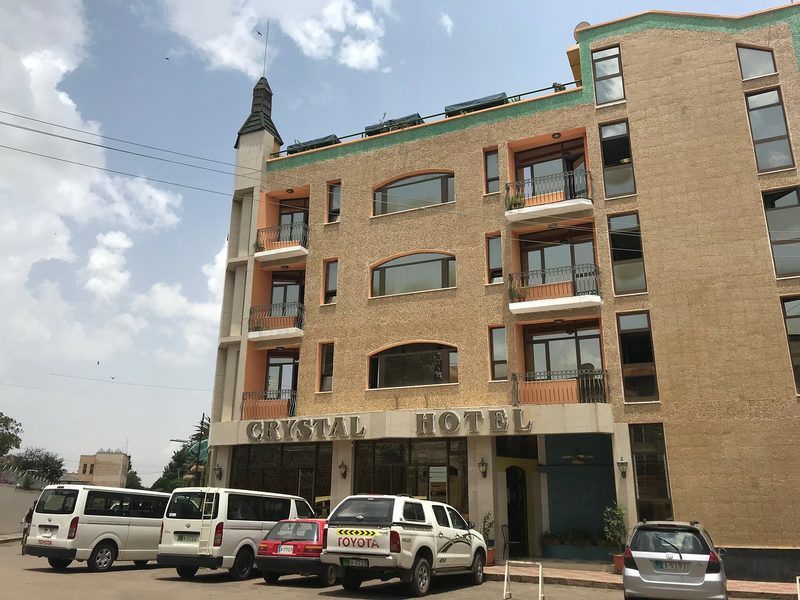
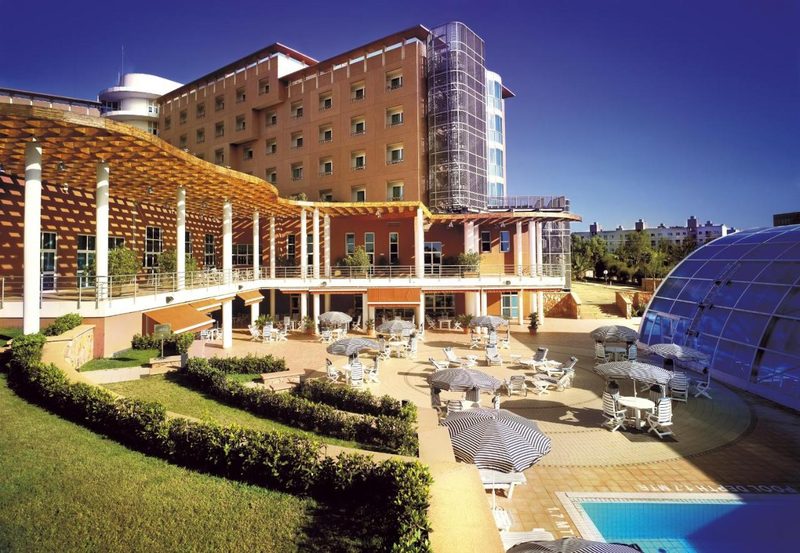
Hand-picked hotels across price tiers for January travellers.
January Events & Festivals
What's happening during your visit
January 7
Leddet (Eritrean Orthodox Christmas)
January 7 is Leddet in Asmara, the Ge'ez calendar's biggest winter feast. Orthodox churches keep vigil all night on January 6, Christmas Eve, and Enda Mariam Cathedral is the beating heart. At dawn, thousands in white shammas flood the compound and the adjoining streets. Drums, sistrums, and Ge'ez call-and-response chant lock into a pattern older than memory. Afterward, families spread injera with zigni, tsebhi derho, and shiro. Respectful visitors are welcomed without question. Be inside Enda Mariam by 5 AM to watch the dawn procession before the crush becomes human tide.
January 19
Timkat (Epiphany)
Timkat on January 19 marks Christ's baptism and outshines even Leddet for spectacle. Priests bear tabots, replicas of the Ark wrapped in cloth, from every church to one meeting point. Song, drum, and dance turn Asmara's calm streets into jubilation. Processions start at first light and crescendo as parishes merge. Holy water is blessed and flicked over the crowd. Some years a body of water itself is sanctified. White robes, incense, ululation, and embroidered vestments against Art Deco façades give Asmara a sound and sight found nowhere else.
Packing Checklist
Bookmark this page — your progress is saved between visits
Need the full list with shopping links?
Climate-specific gear, brand recommendations, and what to leave at home.
View Asmara Packing List →Essential Tips
Insider knowledge and common pitfalls to avoid
Insider Knowledge
The macchiato ritual along Harnet Avenue is daily life, not show. Cafes with vintage Italian machines pull the best shots. Sit outside, order one, watch schoolkids, priests, clerks flow past. This is how you learn the city's tempo. The coffee is strong, faintly bitter, naturally sweet. Sip slowly.
For Timkat on January 19, reach Enda Mariam by 6 AM before the processions start. Streets clog fast. Good spots vanish early. Wear white if you can; Eritreans notice participation, not just watching.
Drive to Massawa by 7 AM. The Italian switchbacks descend best in morning cool. Afternoon haze kills the view. If you stay overnight, the return climb at dawn, when the escarpment glows, beats the descent.
Asmara shuts down on Sundays. Shops close, streets hush, the city feels rural. Use the day for churches, a slow passeggiata, long cafés. Hit markets and Medebar artisans on weekdays when they hum.
Avoid These Mistakes
Pack for equatorial heat and you will shiver. Asmara sits at 2,325 m (7,628 ft), and January nights hit 4°C (39°F). First-timers who show up with tropical gear and no warm layer spend their first evening buying a Chinese-made fleece from a market stall. The latitude says tropics. The altitude says spring in the Scottish Highlands. Bring a jacket.
Cards and ATMs are fantasy. Eritrea's financial system is largely cash-only for foreign visitors. Running out of cash means a stressful scramble to find a bank during working hours. Bring enough hard currency for your entire stay, plus a buffer, and keep it distributed across your luggage and person. Count every nakfa.
Spontaneity dies outside Asmara. Movement beyond the capital requires government-issued permits that take days, not hours, to process. Travelers who arrive planning a spontaneous road trip to Keren or the Dahlak Islands find themselves stuck in Asmara while paperwork crawls through the system. Sort permits before you arrive or immediately upon landing, through your guesthouse or a licensed local operator.
Explore More Activities in Asmara
Didn't see anything interesting yet?
Browse Viator's full catalog of tours, day trips, food experiences, and private guides in Asmara.
See All Asmara Tours on Viator