
Things to Do in Asmara in December
December weather, activities, events & insider tips
Low Season · Budget Friendly
December Weather in Asmara
Temperature, rainfall and humidity at a glance
70°F (21°C)
High Temp
40°F (4°C)
Low Temp
0.1 inches (3 mm)
Rainfall
70%
Humidity
⚠ The UV index hits 8 at 2,325 m (7,628 ft), and cool air tricks you into skipping protection. Sunburn strikes faster because the thin atmosphere filters less ultraviolet. Slather on high-SPF cream even when clouds loom.
⚠ Daily temperature swings near 17°C (30°F) between midday sun and pre-dawn chill. Newcomers feel the altitude: dress in layers, drink water, expect slight breathlessness while walking the city your first day.
Is December Right for You?
Weigh the advantages and considerations before booking
Advantages
- + December in Asmara is bone-dry. The entire month sees barely 3 mm (0.1 inches) of rain. The highland plateau sits at roughly 2,325 m (7,628 ft) above sea level. After the kremt rains end in September, the air turns crisp and sharp. You can see the escarpment dropping toward the Red Sea coast from Asmara's eastern rim. Walking the city is pure pleasure. No puddles flood the Art Deco sidewalks. No mud clings to the trails outside town. The light has a quality photographers chase. It is golden and clean. It casts long shadows across the Italianate facades on Harnet Avenue by late afternoon.
- + Daytime highs hover around 21°C (70°F). Humidity sits at almost zero. This makes Asmara one of the most comfortable capital cities in Africa to explore on foot in December. The altitude strips away the equatorial furnace you might expect this close to the tropics. You can walk for hours. Start at the Cathedral of Our Lady of the Rosary. Pass through the old Ottoman quarter. Continue past Cinema Impero to Medeber Market. You will not break a sweat. You will not duck into shade every ten minutes. The air smells of roasting coffee and eucalyptus. It does not smell of exhaust and dust.
- + December carries a particular festive energy. Outsiders rarely witness this. Eritrea's large Christian population, both Orthodox Tewahedo and Catholic, builds toward Christmas celebrations. Orthodox Christmas falls on January 7. The preparatory season fills December with church music. It brings fasting-then-feasting cycles. It carries a palpable sense of anticipation. Catholic Christmas on December 25 is observed widely too. The overlap means the city runs at a gentle, celebratory pitch for most of the month. Expect to hear liturgical drums. Expect the shimmer of sistra drifting out of church compounds in the cool morning air.
- + This is low season for Asmara's modest trickle of visitors. The city is almost entirely yours. The handful of heritage hotels have availability. The macchiato bars along the main boulevard are populated by locals reading newspapers. Tour groups are absent. The atmosphere retains that quality of ordinary life proceeding at its own pace. This quality vanishes in cities overrun by tourism. December in Asmara is the rare convergence. Perfect weather. Cultural richness. Almost no competition for any of it.
Considerations
- − Nights in December drop to around 4°C (40°F). The temperature swing catches first-timers off guard. You leave your hotel in a T-shirt at noon. You need a proper jacket by 6 PM. The altitude amplifies the chill once the sun sets. Asmara sits higher than Denver. Most buildings lack central heating. Restaurants close their terrace doors. If your hotel room has only a thin blanket, you will feel it. Packing for a single season does not work here. You need layers. They must handle a 17°C (30°F) daily range.
- − Eritrea remains one of the hardest countries in Africa to visit logistically. Visa processes are slow and bureaucratic. Internal travel permits are required for anywhere outside Asmara. The banking infrastructure means ATMs are unreliable. Credit cards are effectively useless. You will need cash. Bring US dollars or euros to exchange on arrival. You will need patience. Navigate a system that does not bend to tourist convenience. December does not change any of this. The bureaucratic friction is year-round.
- − Flight connections into Asmara International Airport are limited. They are often indirect. Routes typically pass through Cairo, Jeddah, Dubai, or Nairobi. Direct options are few. Schedules shift. Rebooking if something goes wrong is difficult. The airport itself is small and functional. It is not built for volume. Plan for long layovers. Plan for the possibility that your itinerary will require flexibility.
Best Activities in December
Top things to do during your visit
Art Deco and Modernist Architecture Walking Tours
Asmara earned its UNESCO World Heritage status in 2017. The reason still escapes most people outside architecture circles. This city contains one of the densest concentrations of early twentieth-century Modernist architecture anywhere on earth. The Italians who colonized Eritrea from the 1880s through 1941 turned Asmara into an open-air laboratory. They tested Futurist, Rationalist, Art Deco, and Novecento design. The city largely froze in time after that. The buildings survived. December is the ideal month to walk it. The dry air and angled winter light pick out every curve and shadow. See the Fiat Tagliero service station. It is an astonishing cantilevered concrete aircraft-wing structure. It looks like it should not stand. It has stood since 1938. Cinema Impero's Art Deco lobby awaits. The rust-and-cream facade of the Opera House on Harnet Avenue glows. The cubist geometry of Enda Mariam Orthodox Cathedral impresses. You cover all of it on foot in a single day. In December's 21°C (70°F) afternoons, you never overheat. Morning light is best for photographs. By 7 AM the streets are quiet. The facades glow amber.
Booking Tip: Licensed local guides who specialize in architectural heritage can be arranged. Contact hotels or cultural offices. Book at least two weeks ahead during the holiday period. Guides tend to take time off around Christmas. A half-day walk covers the core UNESCO zone. A full day adds the industrial periphery, including the railway workshops. See current guided tour options in the booking section below.
Eritrean Coffee Ceremony Experiences
Eritrea runs on coffee the way rivers run downhill. It is not optional. It is structural. The coffee ceremony, jebena bun, anchors daily social life. Green beans roast over charcoal until smoke fills the room with cedar, dark chocolate, and something resinous that catches in your throat. The rhythmic thud of mortar and pestle provides the percussion track of every Eritrean afternoon. The jebena, that black clay pot with its narrow neck, brews three rounds: awel, kale'ite, bereka. Each grows lighter. Each serves a social function. December evenings amplify the ceremony's warmth. Charcoal glows. Frankincense burns. Small popcorn accompanies the cups. Macchiato bars line Harnet Avenue. Their Italian-style espresso rivals Rome. The colonial legacy left Asmara superb coffee culture. The home ceremony runs deeper. Arrange it through guesthouses or cultural tour operators.
Booking Tip: Cultural experience operators arrange home-hosted ceremonies with a few days' notice. Morning sessions feel more intimate. Afternoon ceremonies stretch into longer gatherings. See the booking widget below for current cultural experience options in Asmara.
Asmara to Massawa Escarpment Day Trip
The road from Asmara to Massawa drops 2,300 m (7,546 ft) in roughly 110 km (68 miles). This ranks among East Africa's most dramatic descents. You leave cool highland air. You pass cloud forests where colobus monkeys swing between juniper trees. Within two hours, arid coastal scrub replaces everything. Temperatures climb 20°C (36°F). December timing matters. Massawa's wet months punish visitors with heat and humidity. By December, the coast settles to 30-33°C (86-91°F). Sea breezes make the Ottoman and Turkish coral-block architecture walkable. The Italian-era causeway connects mainland to island old town. Ottoman merchant houses crumble with mashrabiya screens intact. The fish market thrashes with morning catch. You notice these details when not being cooked alive. The road itself, engineered by Italians with switchbacks cut into sheer cliff face, rivals the destination. Bring a jacket for the start. Shed every layer by sea level. An internal travel permit is required.
Booking Tip: Day trips require an internal travel permit. Processing takes a few days through official channels. Start this immediately upon arriving in Asmara. Have your hotel arrange it in advance. Licensed drivers who know the mountain road are essential. The switchbacks run narrow. Trucks share them. Book at least a week ahead. Check current day-trip options in the booking section below.
Medeber Market Craft Quarter Exploration
Medeber is no sanitized tourist market. It is an industrial recycling quarter. Artisans transform war salvage and scrap metal into functioning household goods. Coffee pots emerge from old artillery shell casings. Cooking stoves weld together from truck panels. Sandals cut from tire rubber. The sound never stops. Metal clangs on metal. Soldering torches hiss. Hand files scrape aluminum into shape. Hot metal and burning rubber fill the air. December's dry, mild weather makes walking comfortable. March and April turn this into a sweating ordeal. Asmara's self-sufficiency doctrine lives here. Decades of sanctions and isolation forced radical material reuse. Medeber shows this physically. Wander the leather workers' section. Tanning chemicals mix with fresh-cut hide. Enter the furniture makers' alley. Hand-carved wooden stools emerge from olive wood blocks. Nothing performs for tourists. These craftspeople supply their neighbors.
Booking Tip: No formal booking needed. Medeber is an open working market. A local Tigrinya-speaking guide transforms bewildered wandering into genuine understanding. You learn what each workshop produces. You learn how. Mornings before 10 AM are most active. See guided Asmara tour options in the booking section below for itineraries that include Medeber.
Eritrean Railway Heritage Excursion
The Eritrean Railway, built by Italians between 1887 and 1932, survives as an engineering relic. Steam-powered excursions occasionally run from Asmara toward the escarpment. The narrow-gauge track spans just 950 mm (37.4 inches). It threads through thirty tunnels. It crosses sixty-five bridges. The descent runs from highland plateau toward Ghinda. The Littorina railcar, a 1930s Italian diesel unit with wood-panelled compartments and brass fittings, carries most passengers. The steam locomotive runs special trips. December's clear skies deliver unobstructed views from the viaducts. Canyons draped with euphorbia and aloe fall away below. Red earth glows in afternoon light. The railway workshops in Asmara still operate with original Italian-era machinery. They deserve their own visit. Grease and coal dust hang in the repair sheds. Craftsmen maintain equipment older than most countries. Check locally on arrival for running schedules. Excursion dates vary. They are not published far in advance.
Booking Tip: Railway excursions are irregular. Confirm schedules through your hotel or the railway office in Asmara after arrival. Book immediately when available. Capacity is limited to a single car. Allow a full day for the round trip. Check current heritage tour availability in the booking section below.
Highland Cycling and Village Visits
Eritrea is a cycling nation in a way that surprises visitors who associate African sport solely with distance running. The highlands around Asmara produce professional cyclists who compete at Tour-level events. The roads radiating from the city, smooth Italian-era tarmac winding through highland villages at 2,000-2,400 m (6,562-7,874 ft) elevation, are extraordinary to ride. December's dry roads and cool temperatures make this the best month for it. Head south toward the villages of Adi Quala or northeast toward Nefasit, where the road begins its descent toward the escarpment and the views open to the east. The air at this altitude is thin enough that you will feel it in your lungs on climbs. The flat stretches are a dream: eucalyptus-lined roads, the smell of wood smoke from village cooking fires, children shouting greetings as you pass. Village stops mean more coffee ceremonies, more popcorn, more of the injera-and-tsebhi (spiced stew) that is the foundation of Eritrean eating. The fermented tang of injera, sour, spongy, slightly yeasty, is an acquired taste that most visitors acquire within about two meals.
Booking Tip: Cycling operators in Asmara can arrange bike rental and guided rides with a few days' notice. Routes outside Asmara require internal travel permits. Factor in processing time. Half-day rides stay within the city perimeter. Full-day rides reach the surrounding villages. See current cycling and adventure tour options in the booking section below.
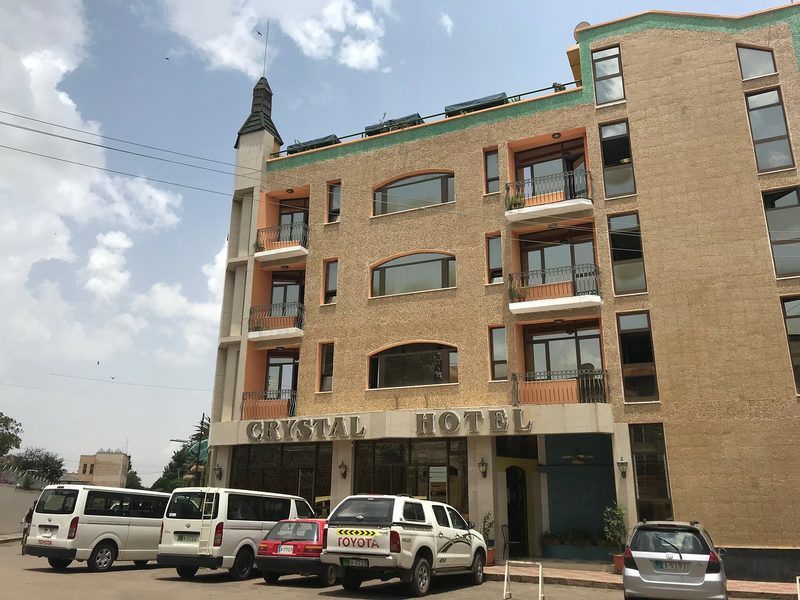
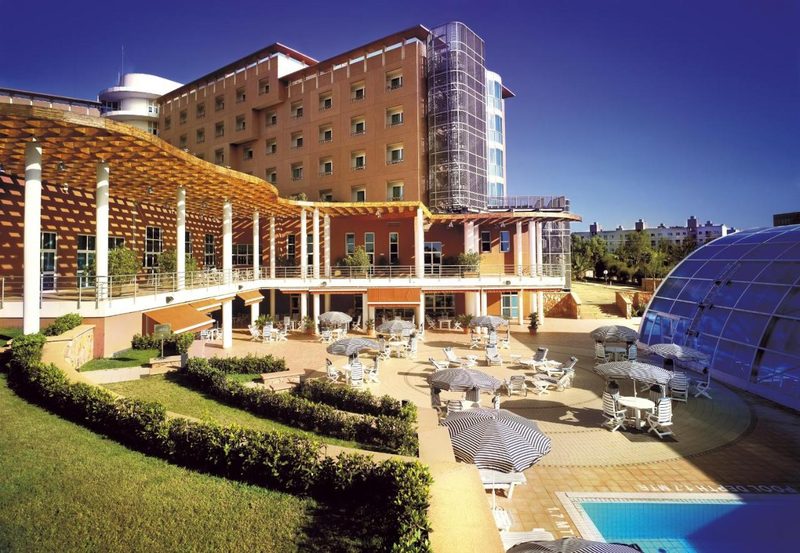
Where to Stay in Asmara in December
Hand-picked hotels across price tiers for December travellers.
December Events & Festivals
What's happening during your visit
Late December
Catholic Christmas (Natale)
Asmara's Catholic community, a legacy of Italian colonization, celebrates Christmas on December 25 with midnight Mass at the Cathedral of Our Lady of the Rosary, the city's red-brick Lombard Romanesque landmark on Harnet Avenue. The cathedral fills to capacity. The overflow spills onto the steps and the surrounding piazza. The liturgy mixes Latin, Italian, and Tigrinya in a layering of languages that reflects the city's colonial and post-colonial identity. After Mass, families gather for meals that blend Italian and Eritrean traditions. You might find panettone alongside himbasha, the slightly sweet Eritrean celebration bread spiced with cardamom and sometimes studded with raisins. The days surrounding Christmas carry a relaxed festive atmosphere. Shops along Harnet Avenue decorate modestly. The evening passeggiata, the Italian-inherited tradition of strolling the boulevard after dark, takes on a warmer, more celebratory quality.
Early December
Orthodox Tewahedo Advent (Tsome Nebiyat) and Pre-Christmas Preparations
Eritrean Orthodox Christians observe the Prophets' Fast throughout December, a forty-day period of vegan eating that transforms the city's food landscape. Restaurants and homes shift to fasting menus: lentil stews, chickpea dishes, vegetable preparations served on injera without any meat or dairy. The flavor profile changes. More cumin, more berbere spice, more of the earthy depth that legume-based cooking develops when a culture has been refining these recipes for centuries. Church services intensify through December, building toward Ledet (Orthodox Christmas) on January 7. The sound of liturgical drums and sistra, the metal rattles used in Tewahedo worship, carries out of church compounds in the early morning. The white-robed congregations processing between services are a common sight. The fasting period creates an accidental benefit for vegetarian travelers; December is the easiest month to eat plant-based in Asmara, because the entire Orthodox population is doing the same.
Packing Checklist
Bookmark this page — your progress is saved between visits
Need the full list with shopping links?
Climate-specific gear, brand recommendations, and what to leave at home.
View Asmara Packing List →Essential Tips
Insider knowledge and common pitfalls to avoid
Insider Knowledge
Join the passeggiata along Harnet Avenue; Asmara's heartbeat starts at 5:30 PM. The air cools, light turns amber, families drift, friends greet, macchiatos steam at outdoor tables. This is no tourist show. It is the city's living room. Grab a seat near Cinema Roma, order a macchiato, and watch Asmara introduce itself daily. The espresso is Italian-grade, has been since the 1930s, and it is excellent.
Eritrean food runs on communal injera and stew. Newcomers often miss the rules. Skip the idea of individual plates. One large injera arrives, dotted with tsebhi mounds: zigni beef in berbere, silky shiro, garlicky hamli greens. Tear with your right hand, scoop, repeat. In December the Orthodox fast is on. Most joints default to vegan baynet unless you protest. The lentil and chickpea spice work is centuries deep and arguably better.
Asmara closes early. By 9 PM most kitchens are dark. By 10 PM the streets whisper. Nightlife survives in a few bars spinning Eritrean and Ethiopian beats. Asmara Brewery lager, flowing since 1939, is clean, light, surprisingly good. Still, this is not a late-night city. Reset your clock: best hours are dawn and golden afternoon.
Italian colonial fingerprints cover the city; Eritreans carry a layered, uneasy relationship with them. Architecture is preserved and loved, coffee culture embraced, ciao flies around like any Tigrinya word. Yet colonial rule was brutal, the independence war lasted thirty years. Do not romanticize the era or call the buildings proof of benefit. Locals will correct you, politely, firmly, and they will be right.
Avoid These Mistakes
Ignore altitude at your peril. Asmara rests at 2,325 m (7,628 ft), higher than most guess. December nights bite. Visitors pack for generic Africa heat and shiver under thin hotel blankets. Bring real layers for sunset onward.
Do not leave Asmara without internal travel permits. The system is mandatory. Checkpoints are real. Arrive without papers and problems multiply fast. Start the process the moment you land or have your hotel sort it before you arrive. Spontaneous road trips are fantasy here.
Forget familiar digital comfort. Mobile data is scarce and crawling, Wi-Fi rare and flaky, ride-hailing nonexistent, online booking nearly blank. Plan offline: paper maps, face-to-face confirmations, cash in pocket. Intermittent connectivity is part of the deal, not a flaw.
Explore More Activities in Asmara
Didn't see anything interesting yet?
Browse Viator's full catalog of tours, day trips, food experiences, and private guides in Asmara.
See All Asmara Tours on Viator